
What is RFID?
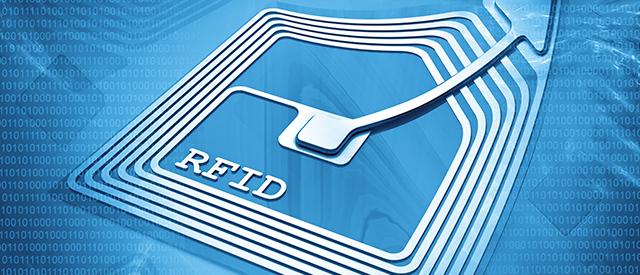
RFID, or Radio Frequency Identification, is a technology that uses radio waves to automatically identify objects, track inventory, and store and transmit data through chips, which can be embedded inside tags or labels.
In 1939, Great Britain developed the IFF (Identification Friend or Foe) system. Allied aircraft would carry a transponder device. When scanned by a wireless radio from the ground, the airplane would transmit a response indicating it was not a threat and could be allowed to land safely.
This concept would lay the groundwork for RFID. An encodable chip is embedded into a label or tag and remains dormant until activated by a radio frequency scanner. When ‘read’, the chip transmits a response back.
Most RFID tags are passive, not requiring a power source, and their durability is much higher than an applied printed label, which can be damaged or suffer wear that affects readability.
New, more sophisticated RFID tags can be encoded with data and can read automatically as they pass through a doorway or scanned by a hand-held reader.
How is RFID Used?
Product packaging is one of the primary functions of RFID. A container or item can be scanned at a distance with higher accuracy rate and faster than traditional barcodes. Unusual types of containers, difficult to reach locations, weather or limited access for traditional readers also make RFID a beneficial option.
You have probably seen simple tags in retail stores on high price products or pinned to clothing. RFID transmitters at the entrance activate these tags if a shopper passes through with the tag still attached, causing an alarm to sound.
In another such use, the national grocery chain Kroger has RFID chips embedded in specially made wheels for shopping carts at some stores. A shopper attempting to leave the store without passing through a checkout line causes the wheel to lock in place, helping prevent large-scale theft.
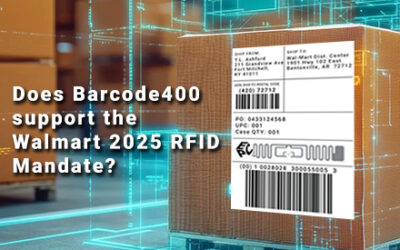
Encoded chips can also be embedded inside traditionally printed labels, read by a hand-held reader or by door-mounted sensors as containers enter or exit. Companies like Wal-Mart and the U.S. Department of Defense have been leading the way to push this technology forward.
RFID technology is increasingly used in transportation. Companies with large truck fleets rely on transponder tags to track containers, pay tolls, and monitor maintenance and driver productivity. Smaller vehicles, including passenger cars, also use RFID for automated toll payments, travel tracking, and vehicle maintenance monitoring.
RiverLink in the Louisville / Southern Indiana area operates tolled bridges that cross the Ohio River. Normally vehicle license plates are scanned, and the owners are billed for each crossing, but frequent users can buy a RiverLink sticker pass containing an RFID transponder chip at regional stores or purchased online. When a vehicle passes over a bridge with a RiverLink pass, the owner’s account is charged automatically a much lower toll fee.
The Future of RFID
Initially, one limitation for RFID on product inventory was a higher per tag cost ($0.20-0.25 each) vs. traditionally printed tags at only pennies each. But the long-term implementation of such systems that reduce redundancy and increase throughput at each step can justify the larger upfront cost.
As price per label costs continue to drop and the functionality of smart devices continues to grow, embedded RFID tags will become more common place on not just large shipping containers, but at the case level and in some cases as the individual product label for improved end-to-end traceability and accurate delivery.
Smart RFID tags are being developed that not only contain more data, but the potential for built-in processing to update the information without needing to replace or update the tag. For time-critical industries like food, pharmaceuticals, and defense, keeping tabs on expiration dates, spoilage etc. can be vital.
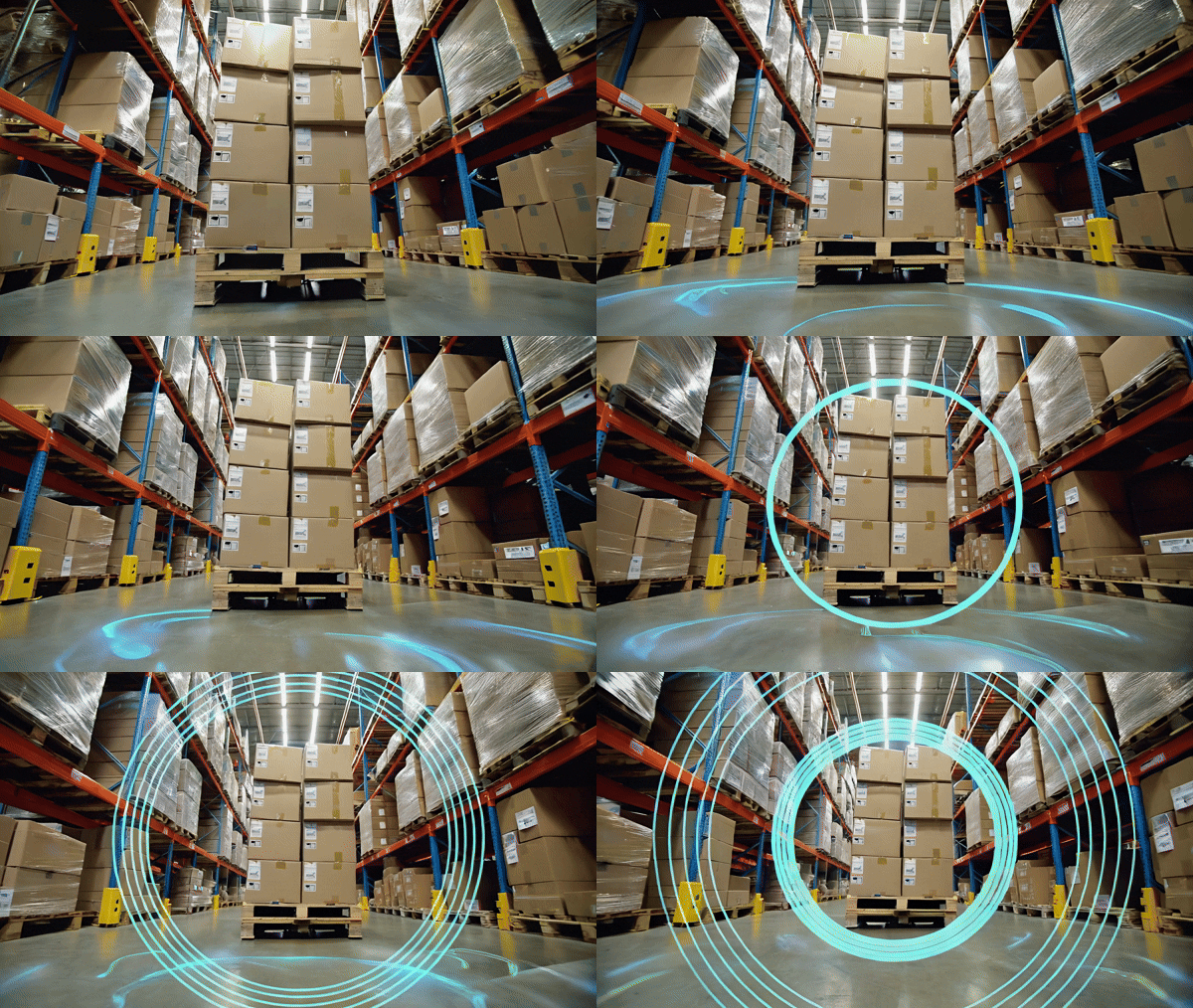
Imagine a warehouse using a passive RFID system to ‘check in’ on containers being stored – to see if they are at the correct temperature or moisture level or to determine which products have priority based on those time-critical factors. This can mean a dramatic reduction in product loss and manhours having to check and re-check inventory.
How Can T.L. Ashford Help with Your RFID Needs?
Barcode400 not only helps you design and generate labels, but can also encode RFID tags on compatible printers. We support the most common GS-1 / EPC specific data structures like the SGTIN-96 Container tag and even offer a custom RFID data option for in-house use.
In our Label Design application, edit your format and add an RFID tag reference, select the type of EPC tag, then add data from your IBM i files and/or applications. You can even set the RFID tag to use a password for data protection.
The encoded data and instructions to encode the tag are sent along with your label format design to your RFID Labeling Printer as part of the regular label printing process.
Our tech support team is happy to help you add RFID functions to your labels, as well as assist in adding and configuring your RFID supported printers.